
Addressable Geofencing That Extends Direct Mail Into Digital Advertising
Reach the same households with direct mail and digital ads using addressable geofencing from DynamiCard.
Direct mail creates a physical touchpoint.
Digital advertising creates additional opportunities to stay visible.
DynamiCard combines the two with addressable geofencing, allowing businesses to reinforce direct mail campaigns by serving digital advertising to devices associated with the same targeted households.
Instead of treating direct mail and digital advertising as two separate campaigns, DynamiCard helps connect them into a coordinated cross-channel strategy.
A household can receive your postcard.
See your brand again through digital advertising.
Visit your website or location.
And create additional measurable campaign activity along the way.
That creates more opportunities for recognition, engagement, and conversion than relying on a single marketing touchpoint.

What Is Addressable Geofencing?
Addressable geofencing is a digital advertising strategy that uses specific physical addresses to build geographic targeting zones around individual households or properties.
DynamiCard’s current technology uses the addresses from a mailing list to establish individual geofences around targeted homes. Devices using location services within those property boundaries can become eligible to receive digital advertisements associated with the campaign.
This creates an important distinction.
Traditional geofencing often targets:
A general geographic area
such as:
- A store
- An event
- A neighborhood
- A radius around a location
Address-based geofencing starts with:
A specific household address.
That makes it particularly relevant to direct mail, because the same mailing list can help define both the physical and digital audience.
How Geofencing Direct Mail Works
A coordinated geofencing direct mail campaign can follow a simple sequence.
Build the Mailing Audience
Identify the households or addresses that should receive the campaign.
Send the Direct Mail
Deliver postcards or other mailpieces to those selected addresses.
Create Address-Level Geofences
DynamiCard’s current process establishes geofences based on the addresses
contained in the mailing list.
Identify Eligible Digital Devices
Devices using location-enabled apps within the geofenced property may
become eligible for digital advertising.
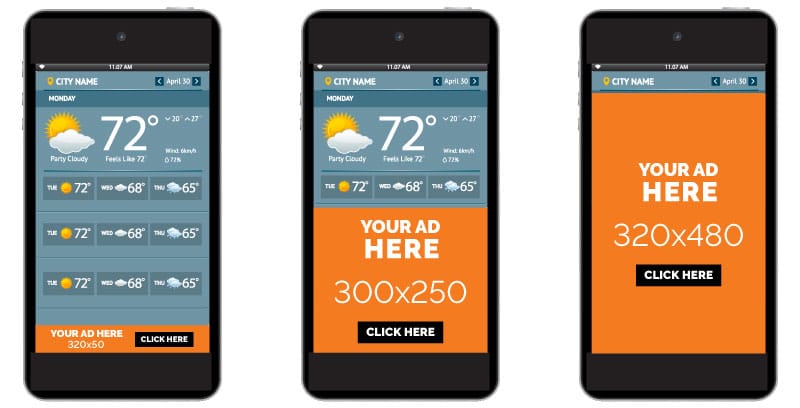
Serve Digital Ads
Online ads reinforce the same campaign message across supported digital
environments.
Track Campaign Interaction
Depending on the campaign and available tracking, marketers can evaluate
digital engagement and certain conversion activity.
The result is a campaign where:
Mailbox + Mobile Device + Digital Advertising
all support the same marketing objective
Direct Mail Geofencing Creates More Than One Touchpoint
One direct mail piece can create awareness, but not every recipient is ready
to respond immediately.
A homeowner may receive the postcard and set it aside. A restaurant prospect
may see an offer but wait until the weekend. A real estate prospect may not
be ready to sell, and an HVAC customer may not need service yet.
Digital advertising can reinforce that physical message later.
↓
Brand Recognized
↓
Digital Ad Seen
↓
Website Visited
↓
Customer Calls, Scans, Visits, or Converts
This is where direct mail geofencing becomes valuable.
The digital campaign can help maintain visibility after the physical piece
enters the household.
Why Addressable Geofencing Works Well with Direct Mail
Direct mail and address-based digital advertising share something important:
They can begin with the same household audience.
That creates strategic alignment.
Consistent Audience
The same addresses receiving physical mail can also form the basis of
the digital campaign.
Repeated Brand Exposure
Recipients can encounter the brand through both physical and digital
channels.
Coordinated Timing
Digital ads can support the campaign before, during, and after the mail
arrives.
More Conversion Opportunities
Customers can respond through multiple channels instead of relying on
one postcard interaction.
Better Cross-Channel Context
Digital engagement can be evaluated alongside QR scans, phone calls,
delivery activity, and other direct-mail response signals.
Addressable Geofencing vs. Traditional Geofencing
These strategies are related but not identical.
Traditional Geofencing
Typically creates a virtual perimeter around a geographic area.
Examples might include:
- A competitor location
- Shopping center
- Stadium
- Event venue
- Neighborhood
- Business location
Addressable Geofencing
Uses individual physical addresses as the foundation for targeting.
That makes the technology especially useful for campaigns where businesses already have:
- Mailing lists
- Customer addresses
- Prospect addresses
- Geographic target lists
For DynamiCard, that connection to the mailing audience is the key differentiator.
Address-Based Geofencing for Direct Mail Audiences
Address-based geofencing can help businesses build digital campaigns around the exact addresses already selected for direct mail.
That can support campaign consistency.
Instead of:
Direct mail audience = Group A
and
Digital audience = Unrelated Group B
the campaign can be designed around:
Physical audience = Digital audience
That reduces disconnect between channels.
It also makes the campaign easier to evaluate strategically.
If the same households receive both forms of advertising, businesses can better understand the combined customer journey.
How DynamiCard Builds Addressable Geofences
DynamiCard’s current page says individual home geofences are set using mailing-list addresses and property plat data. Devices using location services within those boundaries may then become eligible for digital ad delivery.
That process allows the campaign to move from:
Mailing Address
to
Geographic Household Boundary
to
Eligible Digital Devices
to
Digital Ad Exposure
The technology is designed to reinforce the existing mailing campaign rather than create an entirely separate audience strategy.
Serve Digital Ads to the Same Households Receiving Direct Mail
DynamiCard can combine:
Physical direct mail
with
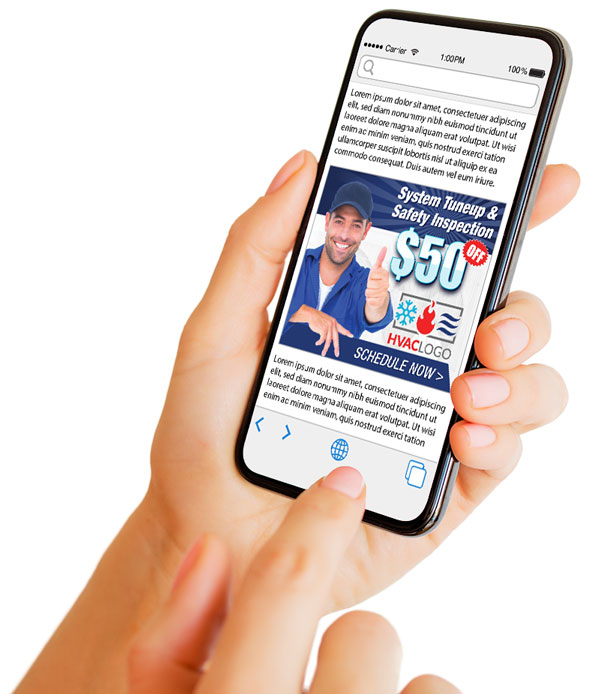
digital advertising to devices associated with the targeted households.
That means the campaign no longer depends on the recipient noticing and responding to the postcard once.
The customer may see:
A postcard Monday.
A digital ad Tuesday.
Another digital impression Thursday.
The physical and digital channels reinforce one another.
Coordinate Ads Before, During & After Mail Delivery
Digital ads can support the campaign shortly before, during, and after direct mail delivery.
Before Mail Arrives
Digital exposure may begin building familiarity before the physical piece appears.
During the In-Home Period
Direct mail and digital advertising can reinforce the same offer or message.
After Delivery
Digital advertising can maintain visibility for recipients who do not respond immediately.
Addressable Geofencing + Delivery Tracking
DynamiCard’s Delivery Tracking technology can provide additional context around when direct mail enters the market.
Delivery Tracking: When is the mail arriving?
Addressable Geofencing: When should supporting digital advertising be active?
Combining these technologies can help coordinate campaign timing more intentionally.
Addressable Geofencing + QR Code Direct Mail
A cross-channel campaign can also incorporate QR engagement.
The customer journey could look like:
↓
Digital Ads Reinforce the Offer
↓
Recipient Scans QR Code
↓
Landing Page Engagement
↓
Lead or Conversion
That creates several measurable interaction points instead of relying on one response method.
Addressable Geofencing + Call Tracking
For phone-driven businesses, digital and physical advertising can both create awareness while call tracking provides a measurable response path.
The sequence might be:
+
Digital Advertising
↓
Customer Calls Tracked Number
↓
Lead
↓
Customer
This can be relevant for HVAC, plumbing, roofing, dental, chiropractic, auto repair, real estate, and other lead-driven businesses.
Addressable Geofencing + DynamiScan
DynamiCard’s broader Tracking & Analytics platform provides another campaign-analysis layer.
Addressable geofencing can support digital visibility.
DynamiScan can help analyze direct-mail response and customer activity.
QR and phone tracking provide additional response signals.
Together, these technologies create a more complete measurement ecosystem.
Track Certain Location-Based Conversions
DynamiCard’s current geofencing page says a business location can be configured as a conversion zone so certain devices that were served ads and later enter the business can be counted as conversions when location services are available.
This can be particularly relevant for brick-and-mortar businesses such as:
- Restaurants
- Retail stores
- Auto service locations
- Gyms
- Multi-location brands
- Other physical locations
It is important to interpret this data carefully.
A reported device visit is a useful campaign signal.
It is not automatically the same thing as:
A purchase.
Revenue.
A new customer.
Or verified ROI.
Those outcomes may require additional business data.
Digital Ad Engagement vs. Business Conversion
This distinction matters.
A campaign can generate:
Ad impressions
Clicks
Website visits
Store visits
Calls
QR scans
Purchases
These represent different stages of the customer journey.
A cross-channel campaign should define the primary conversion before launch.
For example:
A restaurant may care about visits.
An HVAC company may care about booked calls.
A dental practice may care about new-patient appointments.
A retailer may care about in-store purchases.
The technology should support the business outcome not become the outcome itself.
Addressable Geofencing for Restaurants
Restaurants can use direct mail geofencing to reinforce local acquisition campaigns.
A campaign might include:
Plastic or paper postcard
New-customer offer
Addressable digital advertising
QR engagement
Location visit tracking
This can help keep the restaurant visible between the moment the postcard arrives and the moment someone decides where to eat.
Addressable Geofencing for Retail
Retail campaigns can combine direct mail with digital advertising around:
- Promotions
- Grand openings
- Loyalty campaigns
- Seasonal sales
- Customer reactivation
- New product launches
For physical retail locations, location-based conversion reporting may provide another useful campaign signal.
Addressable Geofencing for Auto Repair
Auto repair decisions often happen when a service need develops.
A driver may receive a postcard today but not need repairs until weeks later.
Addressable geofencing can help the shop remain visible digitally after the original mailpiece arrives.
The campaign can be paired with:
- Oil-change offers
- Brake-service promotions
- Seasonal maintenance
- New customer campaigns
- Call tracking
- QR response
Addressable Geofencing for HVAC
HVAC purchases can involve longer consideration periods, especially for system replacement.
A coordinated campaign might use:
Direct mail
to introduce the HVAC company.
Digital ads
to reinforce the company name.
Call tracking
to measure phone response.
Delivery tracking
to understand campaign timing.
That can create a stronger cross-channel presence during the decision process.
Addressable Geofencing for Plumbing
Plumbing demand can happen unexpectedly.
A homeowner may not respond to a postcard immediately.
But continued digital visibility can increase brand familiarity.
When a plumbing issue eventually occurs, the business may already feel recognizable.
A campaign can combine:
- Local household targeting
- Direct mail
- Digital ads
- Phone tracking
- QR engagement
Addressable Geofencing for Roofing
Roofing can be particularly relevant for:
- Storm campaigns
- Replacement campaigns
- Inspection campaigns
- Neighborhood targeting
Direct mail can reach homes in the selected market.
Digital advertising can reinforce the roofing brand afterward.
This may be especially valuable when homeowners take time to compare providers.
Addressable Geofencing for Real Estate
Real estate has one of the longest decision cycles among DynamiCard’s target industries.
A homeowner may receive a seller postcard months before deciding to contact an agent.
Cross-channel reinforcement can help maintain familiarity.
Possible campaigns include:
- Geographic farming
- Seller prospecting
- Listings
- Just sold
- Buyer campaigns
- Luxury real estate
Digital ads can reinforce the agent or brokerage after the physical mailpiece enters the household.
Addressable Geofencing for Dental & Chiropractic Practices
Healthcare practices can use cross-channel campaigns to reinforce:
- New-patient offers
- Practice openings
- Local awareness
- New-mover campaigns
- Service promotions
The physical postcard introduces the practice.
Digital advertising provides another reminder.
QR or phone tracking can provide measurable response paths.
Addressable Geofencing for Gyms
Gym marketing often depends on repeated exposure.
Someone may see a membership offer and still delay joining.
Cross-channel campaigns can reinforce:
- Free trials
- Guest passes
- New-year promotions
- Grand openings
- New-mover offers
- Membership campaigns
A digital ad seen after the postcard can help keep the gym visible during the consideration period.
Addressable Geofencing for Multi-Location Businesses
Multi-location brands may need centralized campaign strategy with local relevance.
Address-based geofencing can support:
- Local store audiences
- Franchise territories
- Market-specific offers
- Regional campaigns
- National direct mail programs
The business can maintain a consistent campaign concept while targeting households around different locations.
Addressable Geofencing for Franchises
Franchises can face a common marketing challenge:
Centralized branding.
Local customer acquisition.
A coordinated campaign can use:
- Approved direct mail creative
- Local addresses
- Market-specific offers
- Household-level digital advertising
- Location-specific conversion zones
This allows franchise systems to maintain brand control while still marketing locally.
Addressable Geofencing for New Customer Acquisition
For prospecting, the campaign may follow this customer journey:
↓
Mail Direct Postcard
↓
Serve Supporting Digital Ads
↓
Recipient Engages
↓
Track Call, QR Scan, or Visit
↓
Measure Customer Conversion
This combines broad brand visibility with multiple response pathways.
Prospect Data + Addressable Geofencing
Addressable geofencing becomes especially powerful when audience strategy is strong.
DynamiCard’s mailing-list capabilities can help businesses define:
- Geographic prospects
- Customer audiences
- Property-related audiences
- Demographic segments
- Existing customer databases
- Other relevant mailing-list groups
Once addresses are selected, the same household audience can support both the direct mail and digital advertising strategy.
First-Party Customer Data + Addressable Geofencing
Businesses can also build campaigns around appropriate first-party customer information.
Potential use cases may include:
- Customer reactivation
- Loyalty
- Cross-selling
- Location-specific offers
- Membership campaigns
- Previous-customer engagement
The physical and digital messages can reflect the existing relationship rather than treating every recipient like a new prospect.
Addressable Geofencing for New Customer Acquisition
For prospecting, the campaign may follow this customer journey:
↓
Mail Direct Postcard
↓
Serve Supporting Digital Ads
↓
Recipient Engages
↓
Track Call, QR Scan, or Visit
↓
Measure Customer Conversion
This combines broad brand visibility with multiple response pathways.
Addressable Geofencing for Customer Reactivation
Existing customers already know the brand.
That changes the campaign.
Instead of introducing the company, the physical and digital messaging can focus on:
- Return visits
- New offers
- New services
- Loyalty
- Re-engagement
- Seasonal promotions
The audience can be segmented according to customer relationship where appropriate.
Addressable Geofencing for Event-Based Campaigns
Some campaigns are highly time-sensitive.
Examples include:
- Grand openings
- Sales events
- Restaurant promotions
- Seasonal campaigns
- Storm response
- Open houses
- New product launches
Addressable digital advertising can reinforce the physical campaign during the relevant period.
Delivery tracking can provide additional context around when the postcard enters the market.
Addressable Geofencing vs. IP Targeting
IP-Based Targeting
Relies on connecting households or devices through IP-related matching methods.
Addressable Geofencing
Uses physical address boundaries and device-location signals to create a household-based digital targeting strategy.
The important commercial distinction is that DynamiCard’s addressable model is designed to align digital advertising with the same physical addresses used for direct mail.
Privacy & Location Data Considerations
Location-based advertising involves privacy-sensitive technology.
The public DynamiCard page describes collecting device identifiers from apps using location services and using those identifiers for ad delivery and conversion-zone measurement.
A stronger message is:
Addressable geofencing provides an additional household-level digital targeting and measurement layer, subject to available device and location signals.
Addressable Geofencing Campaign Attribution
Cross-channel attribution can become more complex than single-channel reporting.
A customer may:
A Customer May:
Receive a Postcard
→ See a Digital Ad
→ Visit the Website
→ Call
→ Visit the business.
→ Convert days later.
Instead of giving one channel all the credit, campaign measurement should consider how each interaction contributes to the final result.
Possible Campaign Metrics
- Mail delivered
- Digital impressions
- Digital clicks
- QR scans
- Tracked calls
- Location visits
- Leads
- Sales
- Revenue
- ROI
The most useful metrics depend on the campaign objective and business model.
Build an Addressable Geofencing Funnel
A complete campaign funnel connects audience targeting with measurable business results.
↓
Direct Mail Delivered
↓
Digital Ads Served
↓
Customer Recognizes Brand
↓
QR Scan / Website Visit / Phone Call
↓
Lead
↓
Customer
↓
Revenue
That structure is more useful than measuring impressions alone.
How DynamiCard Addressable Geofencing Works
1. Define the Campaign Objective
Determine what the business wants customers to do.
2. Select the Household Audience
Build the mailing list around appropriate addresses.
3. Develop the Direct Mail Creative
Create the physical message and offer.
4. Develop Digital Creative
Build digital ads that reinforce the physical campaign.
5. Establish Address-Based Geofences
Create household targeting based on the campaign mailing addresses.
6. Launch the Direct Mail Campaign
Send the physical mailpieces.
7. Serve Digital Advertising
Reach eligible devices associated with the targeted households.
8. Monitor Available Engagement
Evaluate digital and campaign-response signals.
9. Measure Business Outcomes
Follow activity toward calls, leads, visits, customers, and revenue where possible.
10. Improve the Next Campaign
Use results to refine audience, creative, offers, timing, and channel mix.
Frequently Asked Questions About Addressable Geofencing
What is addressable geofencing?
Addressable geofencing is a digital advertising strategy that creates targeting zones around specific physical addresses and serves ads to eligible devices associated with those locations.
How does addressable geofencing work with direct mail?
DynamiCard uses mailing-list addresses to help establish household geofences so the same households receiving direct mail can also receive digital advertising.
What is geofencing direct mail?
Geofencing direct mail combines physical mail with location-based digital advertising so both channels can reach the same or closely aligned audience.
What is address-based geofencing?
Address-based geofencing uses specific physical addresses as the foundation for geographic digital targeting rather than a broader radius around a general location.
Can addressable geofencing track store visits?
DynamiCard’s current platform describes using business locations as conversion zones to identify certain eligible devices that were served ads and later entered the business.
Can addressable geofencing work with QR codes?
Yes. QR code direct mail provides another measurable response path that can be used alongside household-level digital advertising.
Can geofencing work with phone tracking?
Yes. Phone tracking can help attribute calls generated during a cross-channel campaign.
Can addressable geofencing work with delivery tracking?
Yes. Delivery timing can help coordinate when supporting digital advertising should be active around the direct mail campaign.
Is addressable geofencing the same as traditional geofencing?
No. Traditional geofencing often targets a broader geographic area or venue. Addressable geofencing begins with specific physical addresses.